Full-size fitted sheets are designed to fit mattresses measuring 54 inches by 75 inches. Standard Full sheet sets typically include:
- Fitted sheet
- Flat sheet
- Pillowcases
For further Details Scroll Down
A Full mattress, commonly referred to as a Double mattress, is a popular bed size that offers more sleeping space than a Twin while remaining compact enough to fit comfortably in smaller bedrooms. It provides a balanced option for sleepers who want extra room without the large footprint of bigger mattresses like Queen or King.
This mattress size is widely used by single adults, teenagers, and growing children who need more space to stretch out during sleep. It is also a common choice for guest rooms, studio apartments, and smaller bedrooms because it delivers comfort without taking up too much floor space.
One reason the Full mattress remains one of the most popular mattress sizes is its versatility and affordability. It offers more width than a Twin mattress, making it more comfortable for solo sleepers, while still being more budget-friendly and space-efficient than larger options like Queen or King mattresses.
When compared to other mattress sizes, a Full mattress sits in the middle of the standard bed size range. It is wider than a Twin but narrower and shorter than a Queen. This makes it ideal for individuals who want more room than a small bed but do not require the extra space designed for couples.
A Full mattress size is a standard mattress dimension designed to provide adequate sleeping space for one person while still being compact enough for smaller rooms. It offers a comfortable upgrade from a Twin mattress by adding extra width, giving sleepers more room to move during the night.
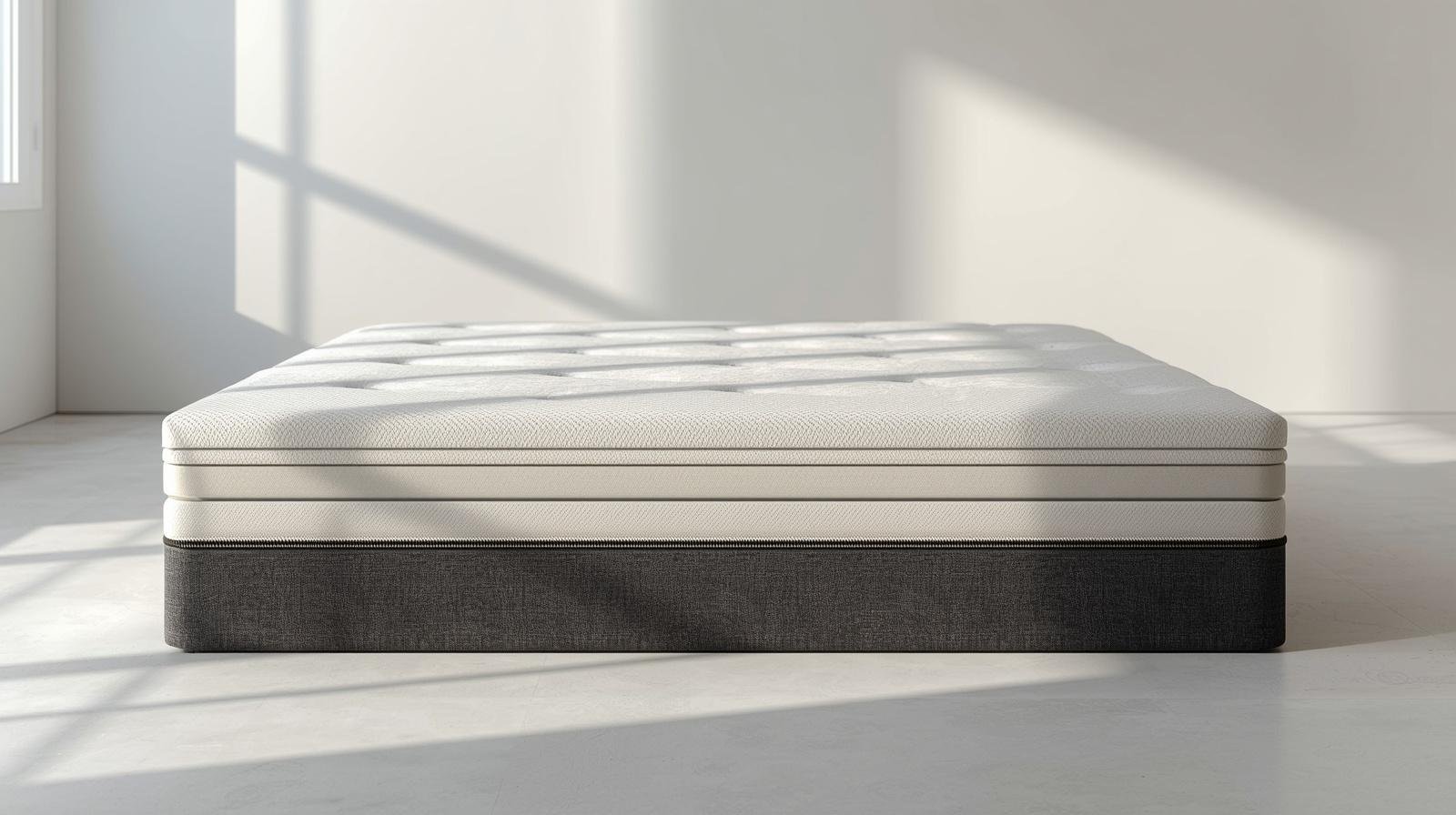
The standard size of a Full mattress is 54 inches wide and 75 inches long.
In metric units, a Full mattress typically measures 137 cm wide by 191 cm long. These measurements are consistent across most mattress brands, ensuring compatibility with standard bed frames, sheets, and bedding.
A Full mattress is also commonly known as a Double Bed. The name originated because the mattress was originally intended to accommodate two sleepers, although today it is more commonly used by single sleepers who want additional space.
Dimensions: 54 inches × 75 inches (137 cm × 191 cm)
Alternate Name: Double Bed
Best For: Single sleepers, teenagers, and smaller bedrooms
Understanding the dimensions of a Full mattress helps determine whether it fits your sleeping needs and bedroom space. While it offers more room than a Twin mattress, it remains smaller than a Queen or King, making it a practical middle-ground option.
A Full mattress measures 54 inches (137 cm) wide, which provides noticeably more sleeping space than a Twin mattress. A Twin mattress is typically 38 inches wide, meaning a Full mattress offers 16 extra inches of width. This additional space allows single sleepers to move more freely during the night.
However, compared to a Queen mattress, which is 60 inches wide, a Full mattress is 6 inches narrower. Because of this, it may feel slightly tight for two adults sharing the bed.
The standard length of a Full mattress is 75 inches (191 cm). This is the same length as most Twin mattresses, which means it works well for children, teenagers, and adults under about 6 feet tall.
Taller sleepers may find the length a bit short, especially if they prefer extra legroom. In those cases, a Queen or Twin XL mattress may be a better option since they offer additional length.
Mattress thickness can vary depending on the type and construction. Most Full mattresses fall within a 6 to 16 inch thickness range.
Common mattress height categories include:
The right thickness depends on factors such as sleeping position, body weight, and mattress material.
A Full mattress works best for people who want more space than a Twin bed but do not need the larger footprint of a Queen or King mattress. It is a versatile size that fits many sleeping situations and room layouts.
Full mattresses provide enough space for solo sleepers to stretch out comfortably while still fitting easily into smaller bedrooms.
As children grow into teenagers, they often need more room than a Twin mattress provides. A Full mattress offers additional width and comfort.
A Full mattress is a popular choice for guest bedrooms because it accommodates most single sleepers and can occasionally fit two people if needed.
Rooms with limited space can benefit from the compact size of a Full mattress. It allows for comfortable sleeping space without overwhelming the room.
In smaller living spaces like studio apartments, a Full mattress helps maximize floor space while still offering a comfortable bed.
While two people can technically sleep on a Full mattress, the sleeping space per person is limited. Couples usually find a Queen mattress more comfortable.
People taller than about 6 feet may find the 75-inch length restrictive. Taller sleepers typically benefit from a Queen or King mattress, which provide additional length.
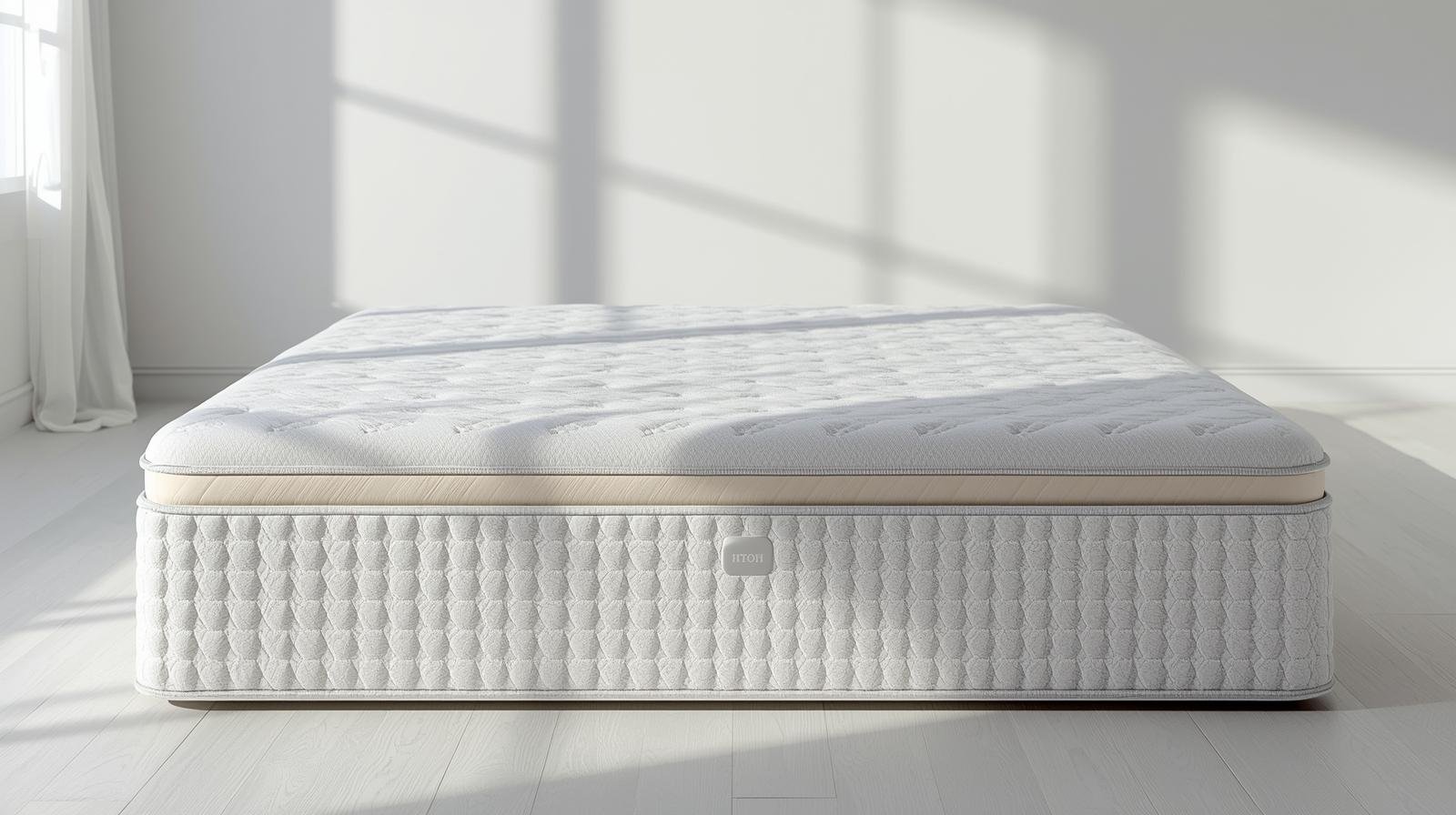
Mattress Comparison | Dimensions | Key Differences | Best For |
Full vs Twin | Twin: 38″ x 75″ Full: 54″ x 75″ | Full mattress is 16 inches wider than Twin, providing significantly more sleeping space. | Twin: Kids, bunk beds Full: Teens, single adults |
Full vs Queen | Full: 54″ x 75″ Queen: 60″ x 80″ | Queen mattress is 6 inches wider and 5 inches longer, making it better for couples. | Full: Solo sleepers Queen: Couples |
Full vs King | Full: 54″ x 75″ King: 76″ x 80″ | King mattresses are much larger and require bigger bedrooms. | Full: Small rooms King: Large master bedrooms |
Balancing comfort, size, and affordability, a Full mattress suits many sleepers — but it has its limitations too.
Full mattresses are budget-friendly compared to Queen or King sizes. Bedding accessories like sheets, comforters, and frames are also easier on the wallet.
Compact enough for smaller bedrooms, apartments, and guest rooms, while leaving space to move around comfortably.
With 54 inches width, a Full mattress gives 16 inches more space than a Twin, letting single sleepers stretch out comfortably.
Two people can sleep on a Full mattress, but each only gets ~27 inches, which may feel cramped for couples who prefer more room.
At 75 inches long, it may feel short for sleepers over 6 feet tall. Taller sleepers usually prefer a Queen mattress for extra length.
Choosing the right bedroom size is important to ensure your Full mattress fits comfortably while still leaving enough room for movement and furniture.
For the best layout and comfort, a bedroom should ideally be at least 10 x 12 feet when using a Full mattress. This allows space for walking areas and additional furniture.
To maximize the available space, many people place the bed against a wall or center it in the room with equal space on both sides. This helps create a balanced layout and improves accessibility.
It is recommended to leave about 2 to 3 feet of walking space around the bed. This makes it easier to add nightstands, dressers, or other bedroom furniture without making the room feel crowded.
Example:
The minimum recommended room size for a Full mattress is 10 x 10 feet, although slightly larger rooms provide better comfort and layout flexibility.
While a Full mattress can accommodate two sleepers, it may not always provide the most comfortable experience for couples.
When two people share a Full mattress, each person gets approximately 27 inches of sleeping space. This is narrower than a standard Twin mattress, which means personal space can feel limited.
Couples who move frequently during sleep or prefer extra personal space may find a Full mattress restrictive. It may still work well for short-term sleeping arrangements, guest rooms, or smaller apartments where space is limited.
If both sleepers want more room to stretch out or sleep comfortably without disturbing each other, upgrading to a Queen mattress is often the better option. A Queen mattress provides more width and additional length, making it a more suitable choice for most couples.
Full-size fitted sheets are designed to fit mattresses measuring 54 inches by 75 inches. Standard Full sheet sets typically include:
Comforters for Full beds usually range from 80 to 90 inches wide and 90 to 96 inches long. This provides enough coverage to hang slightly over the sides for a comfortable and stylish look.
A Full mattress requires a Full-size bed frame for proper support. Options include:
Low-profile mattresses are thinner and lightweight. Ideal for:
The most common mattress thickness. Offers a balanced combination of comfort, support, and durability.
Thicker mattresses with multiple comfort layers such as memory foam, latex, or pillow-top designs. Provides:
Contours to the shape of the body, reducing pressure points. Ideal for:
Combines memory foam or latex layers with an innerspring core. Offers:
Coil-based support system. Known for:
Made from natural or synthetic rubber. Features:
Selecting the best Full mattress depends on several important factors related to comfort, sleeping habits, and personal preferences.
Your sleeping position plays a major role in determining the ideal mattress.
Mattress firmness levels typically range from soft to extra firm. The right firmness level depends on body weight, sleeping style, and personal comfort preferences. Many sleepers find medium or medium-firm mattresses to be the most versatile.
Mattresses come in a wide range of prices. Setting a budget beforehand can help narrow down your options while still ensuring good quality and durability.
Different mattress materials affect comfort, support, and longevity. Foam, latex, and hybrid mattresses all provide unique benefits, so it’s important to choose a material that matches your sleep preferences.
Some mattresses include cooling technologies, such as breathable covers, gel-infused foam, or ventilated layers. These features help regulate temperature and can be especially beneficial for people who tend to sleep hot.
The price of a Full mattress varies depending on the materials, brand, and construction quality. Generally, Full mattresses fall into three main price categories.
Budget-friendly Full mattresses typically range from $150 to $500. These mattresses usually use simpler materials and designs but can still provide decent comfort for guest rooms or occasional use.
Mid-range Full mattresses generally cost between $500 and $1,000. They often include higher-quality materials, improved durability, and better comfort features.
Luxury Full mattresses can cost $1,000 or more. These models often feature premium materials, advanced support systems, and enhanced comfort layers designed for long-term durability and high-level comfort.
A Full mattress can accommodate two sleepers, but the space may feel limited. Each person gets about 27 inches of personal space, which may be less comfortable for couples who prefer more room.
Yes, a Full mattress is commonly referred to as a Double bed. Both terms describe the same mattress size measuring 54 inches by 75 inches.
Two adults can sleep on a Full mattress, but it may feel cramped for long-term use. Many couples prefer a Queen mattress for additional space and comfort.
A bedroom that measures at least 10 x 10 feet is generally suitable for a Full mattress. Larger rooms, such as 10 x 12 feet, provide more space for furniture and movement.
A Full mattress is an excellent option for single sleepers, teenagers, and guest rooms. It offers more sleeping space than a Twin mattress while remaining compact enough for smaller bedrooms and apartments.
For individuals who want a comfortable bed without taking up too much room, a Full mattress provides a practical balance of space, affordability, and versatility. However, couples or taller sleepers may find larger mattress sizes more comfortable.
When choosing a Full mattress, it is important to consider room size, sleeping preferences, mattress materials, and budget. By evaluating these factors, you can select a mattress that provides the right level of comfort and support for a good night’s sleep.